How to Use Clobetamil G Guide
2025-12-13 15:19:58
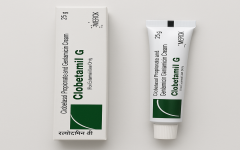
Step 1: Professional Diagnosis is Essential
Clobetamil G is a prescription medication that must be used only after evaluation by a dermatologist. The doctor will:
Confirm the presence of a bacterial infection
Assess the type and severity of the infection
Rule out fungal or viral infections (where antibiotics may be ineffective or even harmful)
Step 2: Master the Correct Application Technique
Cleansing Preparation: Wash the affected area with a mild cleanser and gently pat dry.
Appropriate Amount: A pea-sized amount is sufficient to cover an area roughly the size of two palms.
Gentle Application: Gently massage in a clockwise direction until fully absorbed.
Frequency Control: Strictly follow the doctor's instructions, typically 1-2 times daily.
Step 3: Understand Usage Restrictions and Duration
Treatment Duration: Generally not exceeding 2 weeks; avoid prolonged continuous use
Area Restriction: Avoid long-term use on large areas to minimize systemic absorption risk
Caution in Sensitive Areas: Use with caution or for short periods on the face, neck, and skin folds
Gradual Reduction: After improvement, gradually decrease frequency under medical guidance
Safety Precautions
Potential Side Effects and Management
While Clobetamil G is highly effective, be vigilant for possible adverse reactions:
Local Skin Reactions: Burning sensation, irritation, dryness, or folliculitis
Skin Atrophy: Long-term use may cause skin thinning and stretch marks
Pigment Changes: Some patients may experience skin discoloration
Allergic reactions: Hypersensitivity to antimicrobial components or excipients
Systemic effects: Prolonged application over large areas may cause systemic absorption through the skin
Special Population Considerations
Pediatric use: Children's skin absorbs medications more readily; use strictly under medical supervision for short durations only
Pregnancy and lactation: Use cautiously after thorough risk-benefit assessment by a physician
Elderly patients: May have compromised skin barrier function; adjust treatment regimen accordingly